English
 Čeština
 Українська
 polski
 Français
 Deutsch
 Română
 English – US
 Magyar
 Italiano
 Dansk
Dansk Lietuvių
.png) English – CA
English – CA Español
 Български
 Eesti
Eesti 简体中文
简体中文 Русский
 Français – CA
 BEDNAR FMT


ROTO-MASTER RMN


6-12,4 m

90-200 hp

4 cm
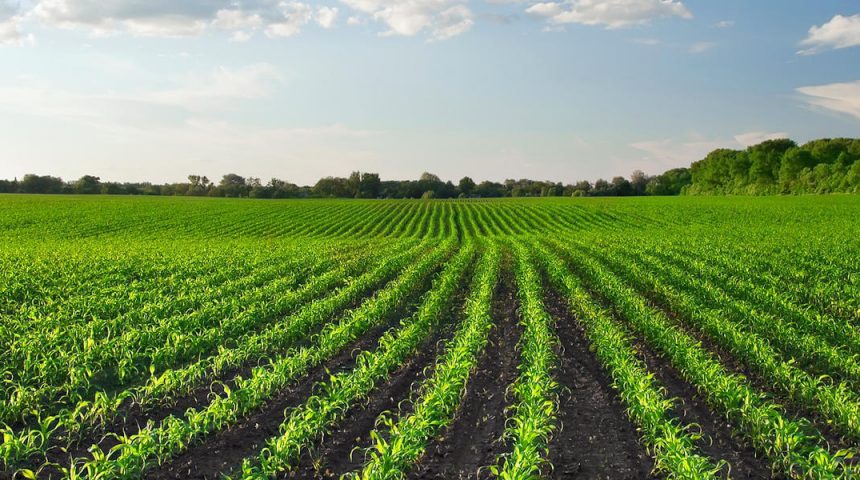
Before herbicides, weeding used to be an indispensable operation of mechanical weed control in maize or sugar beet crops. The use of this mechanical operation gradually decreased with the development of chemical solutions. At present, weeding is becoming more common once again, mainly due to legislation and changes in the use of chemical applications.
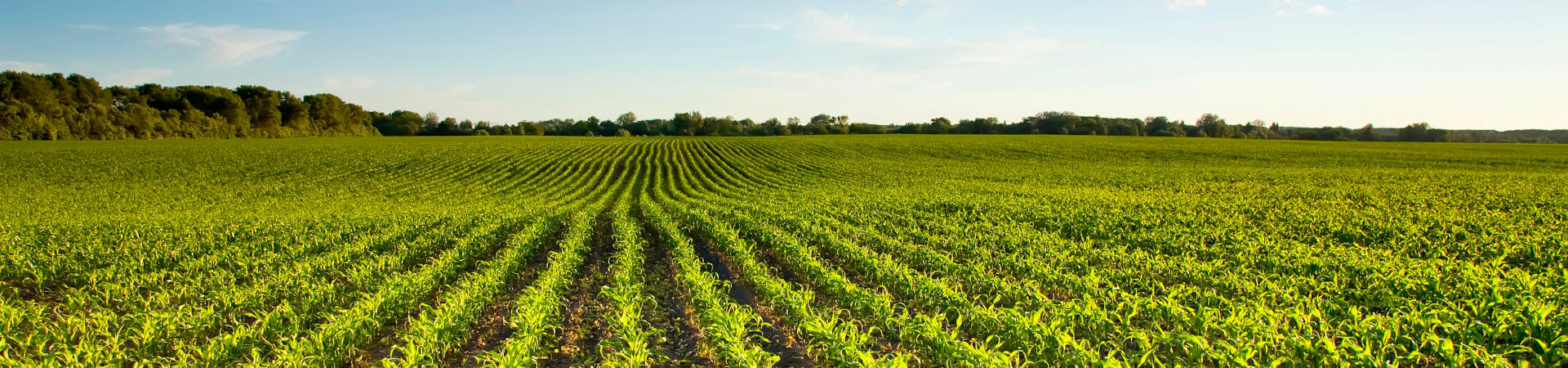
Row cultivation is most often used in maize, sunflower or sugar beet crops. Mechanical weeding is also becoming popular in oilseed rape and soya crops. In the near future, weeding will be used as a method of mechanical elimination of weeds also in cereals, which will be grown with a wider row distance, or in double-row systems using strip-till technology.
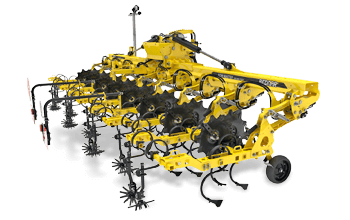
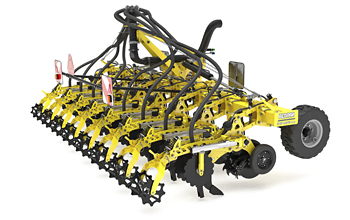
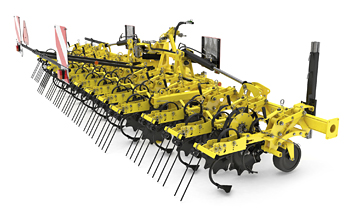
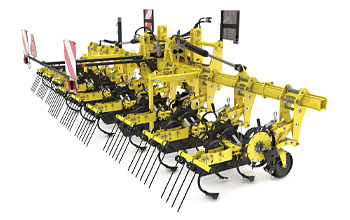
ROW-MASTER row-crop cultivator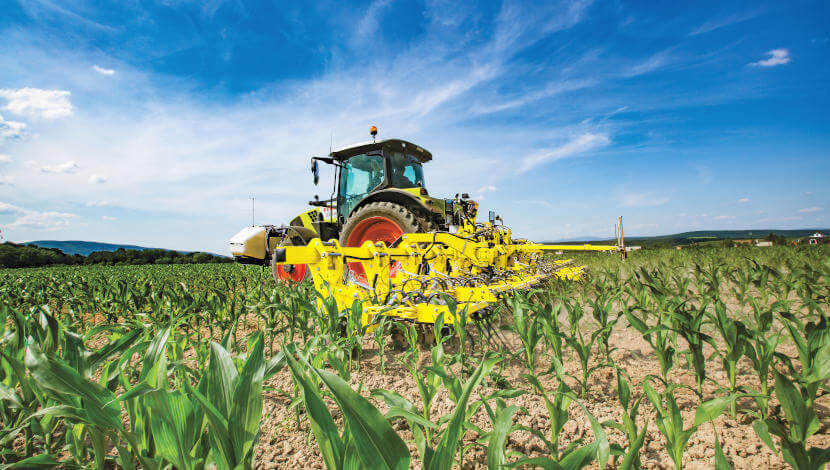
Mechanical weeding improves the physical properties of soil nutrient intake by plants and the condition of vegetation. In cornvegetation, it has a considerable effect on increasing the plant biomass. Mid row loosening has a weeding effect, which reduces the need to use herbicides and goes hand in hand with the trends of sustainable farming.
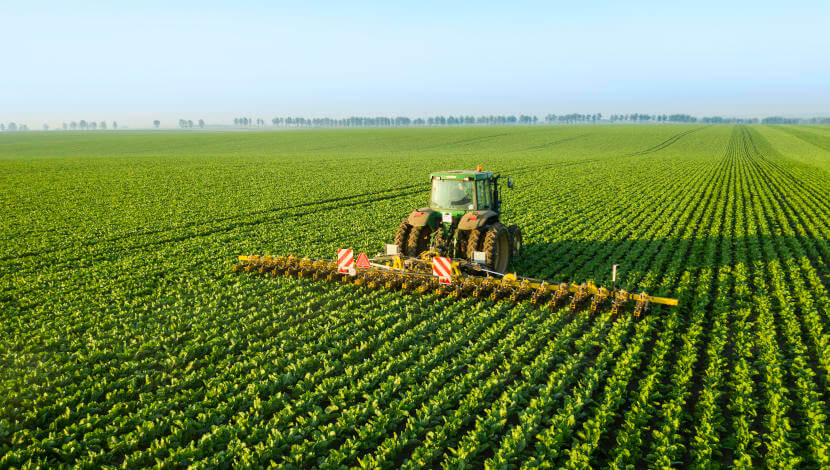
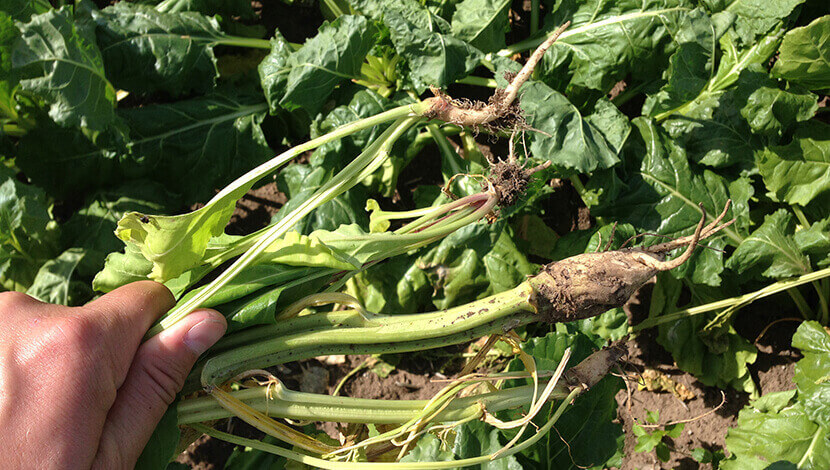
The only way to remove weed beet from the sugar beet crop is to mechanically eliminate it using a weeding machine. Mid row cultivation also has a soil-protecting effect. The loosened soil layer prevents fast drainage of surface water, and reduces the risk of water and air erosion. Liquid or solid fertilisers can be applied while weeding, thus improving the overall condition of the crop.
“MECHANICAL WEED CONTROL IS ONE OF THE OPTIONS ON HOW TO SAVE CONSIDERABLE FINANCIAL RESOURCES SPENT ON CHEMICAL APPLICATIONS.”
Farmers have always strived to create the best conditions for quality crop establishment and balanced growth. In practice, we can often see tilled soil with a fine topsoil structure with minimum clods and no larger soil particles. Some farmers still believe that it is impossible to establish crop in any other soil than in this perfectly prepared and almost “dusty” soil.
But the opposite is true; the gradual changes in agricultural technology and seeding procedures, legislation in the field of handling of chemical plant protection products, and the pressure on reducing the risk of soil erosion have shown that the future trend is no-till, or minimum tillage systems.
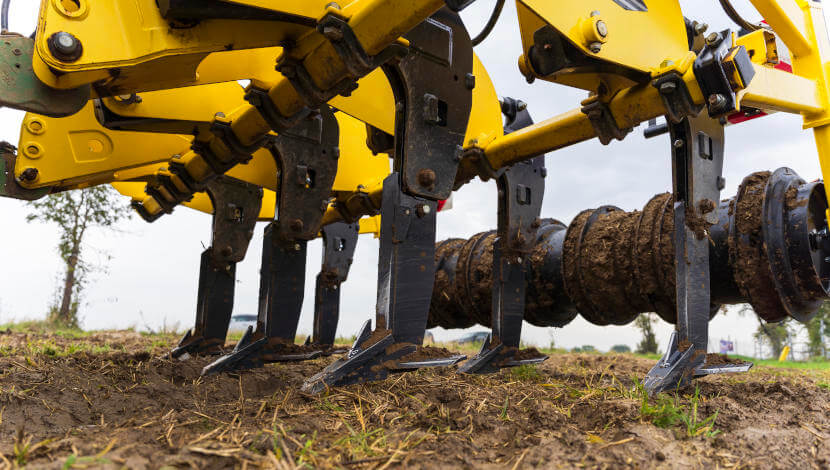
The strip tillage is based on the preparation of narrow strips, in which the row crops are established. This technology is most often used in seeding corn, sunflower, sugar beet, oilseed rape, or soya. However, it is only a matter of time before this technology will also be used before seeding cereals in double rows or wide rows.
The strips are usually tilled with an row spacing of 45/50 or 70/75/80 centimetres in the autumn. Machines suitable for strip-till include the STRIP-MASTER EN strip-till cultivator with a maximum working depth of 35 cm, or the TERRASTRIP ZN strip-till subsoiler with a working depth of up to 55 centimetres for autumn tillage.
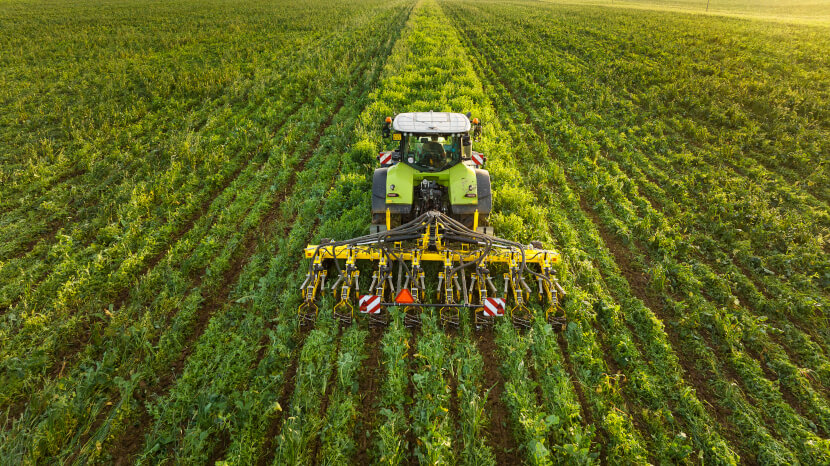
The benefits of strip tillage include faster warming up of the processed strips by sun, soil aeration, reduced erosion, better water absorption in soil when compared with direct drilling, and cost savings in the form of a targeted placement of fertiliser into the tilled strips.
The mid rows created between the individual strips have a positive effect on the soil condition. The unprocessed strips maintain soil moisture and prevent its quick evaporation, this effect is even higher when the rows are covered with a layer of crop residues or there is catch crop. Moreover, the unprocessed rows also work as a barrier that prevents a fast development of weeds, as it creates a competitive environment.
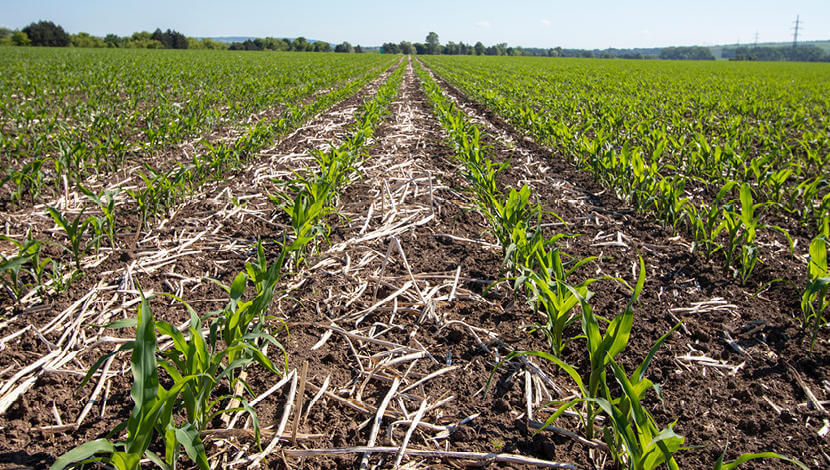
The strip-till subsoiling is an agricultural method developed by the BEDNAR Company. It tills at a deeper level than the standard strip tillage. When compared with the standard strip tillage, the strip subsoiling shows significantly better results, particularly in maize. Strips are tilled at a deeper level of up to 55 cm. As a result maize has a higher supply of ground moisture especially in dry areas. The strip-till subsoiling has also proven to be advantageous for those who grow sugar beet.
BEDNAR TERRASTRIP